Tag: James Proffitt
Lake trout recovery in Superior sign of lamprey removal success


Just-announced staff cuts and hiring freezes from the Trump administration will jeopardize the ongoing success of the U.S. Fish and Wildlife Service’s (USFWS) decades-long battle against sea lamprey, according to officials. While states, provinces and U.S. and Canadian tribes are involved in the labor-intensive efforts, the USFWS performs most of the in-stream treatments in the U.S.
How Ducks Unlimited Became Heroes of the Conservation Movement
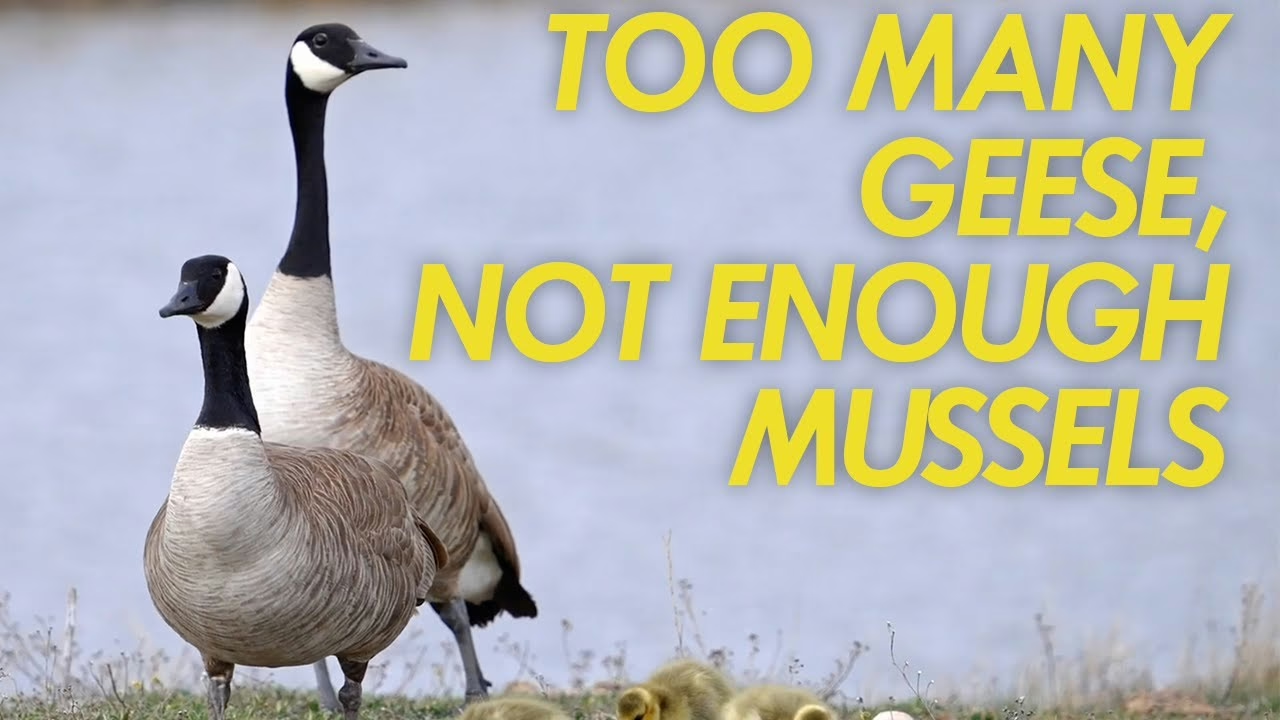

In the Great Lakes region alone, Ducks Unlimited (DU) has been involved in hundreds of projects in the past decade that involve either the conservation of wetlands through acquisition, or the restoration and management of wetlands. These projects — always in concert with public and private partners, universities and other organizations — seek to establish or conserve the maximum amount of acreage possible with available funds.
Walleye Numbers are Down in Lake Erie


Ohio Division of Wildlife (ODW) officials have released their 2024 trawl survey indexes for Lake Erie’s two most-sought sportfish: yellow perch and walleye. This year’s results bring an end to a streak of wildly successful hatches for walleye. For yellow perch two of Ohio’s three management zones were above average, with the third zone down by 70% over last year.
A Decade After Crisis, Algal Blooms Persist | Great Lakes Now
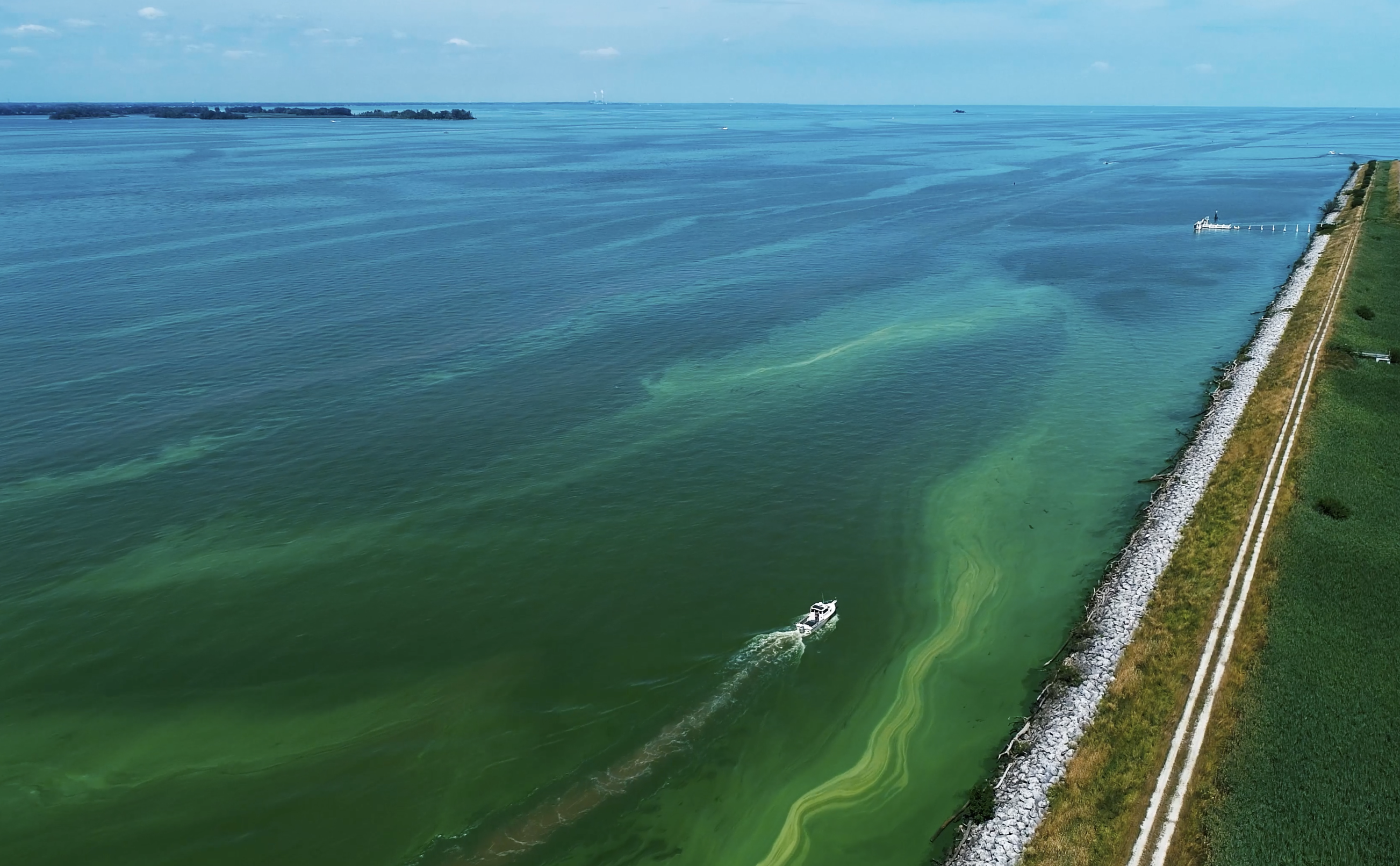

On August 2, it will be 10 years since officials in Toledo alerted residents in the early morning hours not to drink, bathe in or otherwise come into contact with tap water from the Collins Park Water Treatment Plant. For nearly three days chaos reigned, as bottled water sold out that first day before dawn and disappeared from shelves in the region the next day.