


Tag: Minnesota
Wisconsin officials ask the public to report algal blooms in Lake Superior | Great Lakes Echo

The Wisconsin Department of Natural Resources is banking on public oversight of the largest Great Lake to help gauge the threat of increasingly common algal blooms. Blue-green algae, also known as cyanobacteria, can produce toxins that pose a danger to public health, said Kait Reinl, research coordinator at the National Oceanic and Atmospheric Administration’s Lake […]
The post Wisconsin officials ask the public to report algal blooms in Lake Superior first appeared on Great Lakes Echo.
Energy News Roundup: Michigan, Michigan, Michigan | Great Lakes Now

There’s a whole lot of energy stuff happening in Michigan.
The push to restart the Palisades nuclear reactor in the southwestern part of the state is gaining steam. So is the opposition. The plant, which shuttered in 2022 amid competition from cheaper energy sources, is now set to receive more than $2.4 billion in public subsidies.
Major federal funding aims to speed transition to clean energy in the rural Midwest | Great Lakes Now

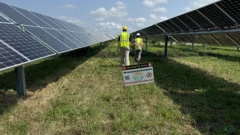
By Juanpablo Ramirez-Franco, WBEZ
This coverage is made possible through a partnership between WBEZ and Grist, a nonprofit, independent media organization dedicated to telling stories of climate solutions and a just future. Sign up for WBEZ newsletters to get local news you can trust.
PFAS Roundup: Four Great Lakes’s states selected to test residents annually for environmental chemical exposure | Great Lakes Now

Six states were selected by the U.S. Centers for Disease Control (CDC), to be awarded $5 million in order to test residents for environmental chemical exposures — like PFAS. Four out of the six states are located along the Great Lakes including Michigan, Minnesota, Wisconsin, and New York. These biomonitoring grants start September 2024 and go until 2027.
Routley: Why a Kamala Harris presidency may not be good news for Canada


It’s likely Kamala Harris would maintain the protectionist economic policies of her two predecessors, Sam Routley of Western University says