


Author: Interlochen Public Radio
Amish Farmers’ Partnership With Beef Giant Produces Manure Mess


By Keith Schneider, Circle of Blue
The Great Lakes News Collaborative includes Bridge Michigan, Circle of Blue, Great Lakes Now at Detroit PBS, Michigan Public and The Narwhal who work together to bring audiences news and information about the impact of climate change, pollution, and aging infrastructure on the Great Lakes and drinking water.
What Trump can do to reverse US climate policy − and what he probably can’t change

By Gautam Jain, Columbia University
is an independent and nonprofit source of news, analysis and commentary from academic experts.
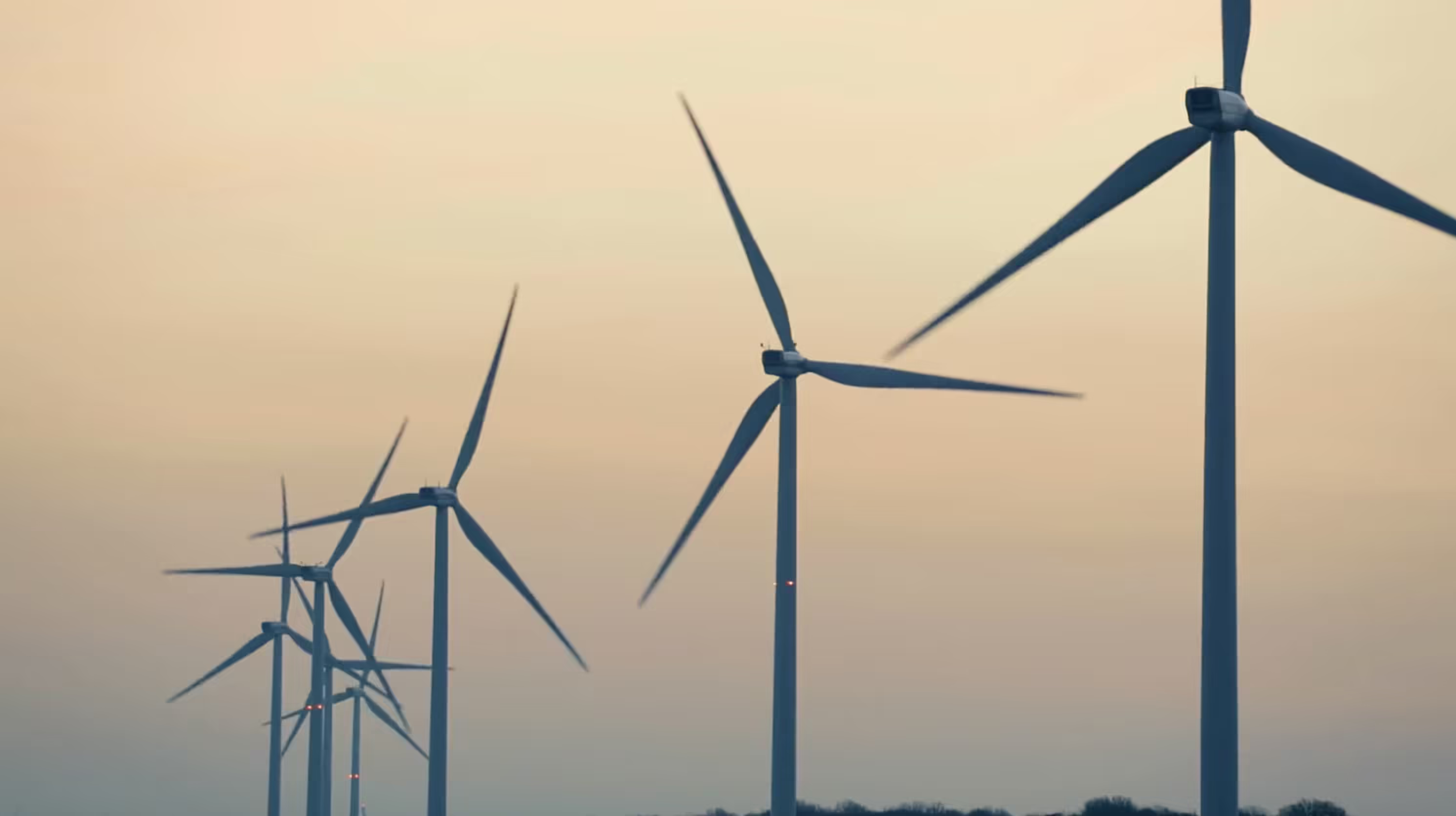
As the U.S. prepares for another Trump administration, one area unambiguously in the incoming president’s crosshairs is climate policy.
Although he has not released an official climate agenda, Donald Trump’s playbook from his last stint in the Oval Office and his frequent complaints about clean energy offer some clues to what’s ahead.
Presenting Atlas Obscura: The Mysterious Sinkholes of Mount Baldy


By Daniel Wanschura
Points North is a biweekly podcast about the land, water and inhabitants of the Great Lakes.
This episode was shared here with permission from Interlochen Public Radio.
On July 12, 2013 the Woessner family was hiking in Indiana.
Energy News Roundup: More energy transition ups and downs
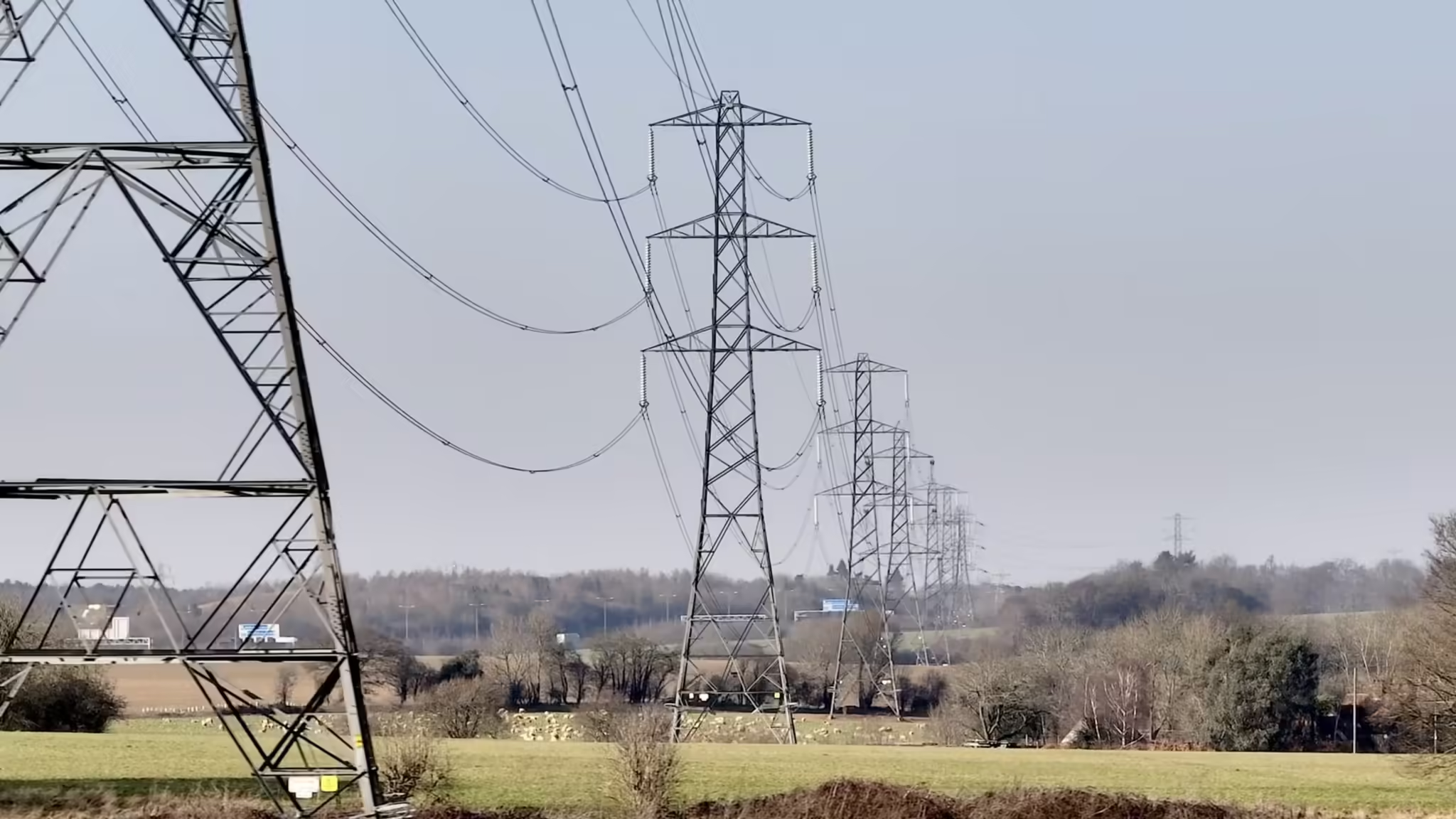

Ford is suspending production of the F-150 Lightning electric pickup truck at its plant in Dearborn, Michigan, from mid-November until early 2025 as EV sales continue to lag behind expectations. Since the electric pickup’s launch a couple of years ago, when Ford fielded more demand than it was able to meet, momentum has slowed, and the automaker has this year halved production of the Lightning and reduced its hourly workforce at the Dearborn plant by two-thirds.
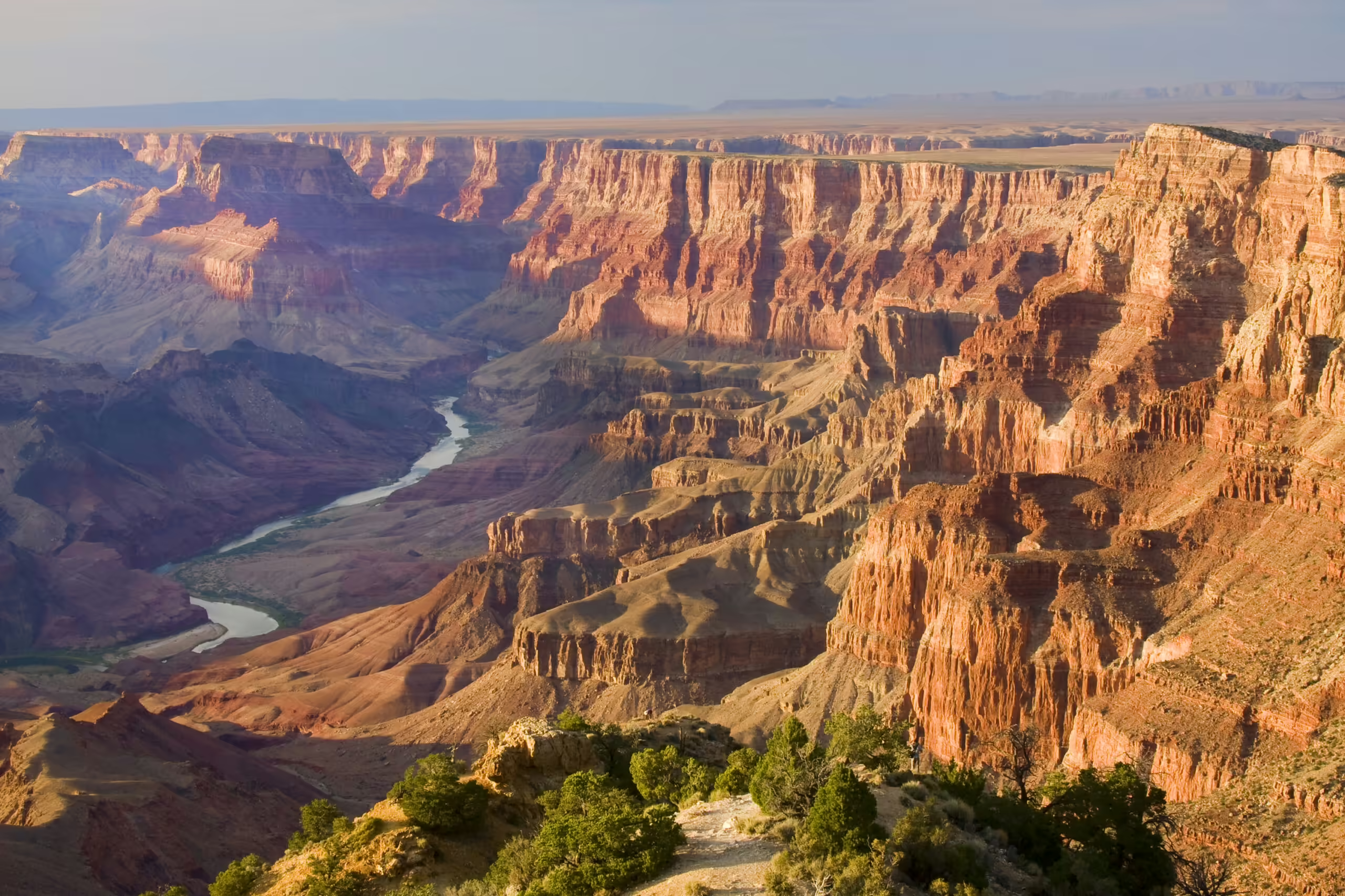
National Park Service Issues Landmark Order for Tribal Consultations


By Native News Online Staff, Native News Online
This article originally appeared on Native News Online. Founded in 2011, Native News Online reaches millions of Native and non-Native readers annually including American Indians, Alaska Natives, Native Hawaiians and others interested in Native American concerns.