


Author: Interlochen Public Radio
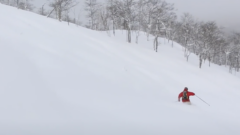
Pressed for powder, study finds ski areas are relying more on snowmaking

By Danielle Kaeding, Wisconsin Public Radio
This article was republished here with permission from Wisconsin Public Radio.
Ski hills in Wisconsin are relying more on snowmaking and other strategies to adapt to changing snow conditions due to climate change, according to a new study.
PFAS Roundup: Minnesota votes to continue conservation and PFAS cleanup, Indiana ends firefighter foam collection program

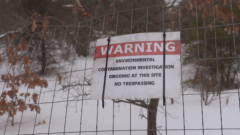
Over 77% of voters in Minnesota approved an extension of the Environmental and Natural Resources Trust Fund (ENRTF), that will continue to pay for conservation efforts for another 25 years. Funding for this casts a wide net, from outdoor education and trail investments, to invasive species and PFAS removal. The ENRTF was approved as an amendment to the Minnesota Constitution of the State in 1988, and generates funding from the Minnesota State Lottery.
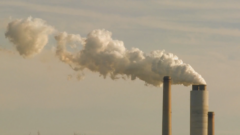
New Federal Funds Aim to Cut Carbon Emissions and Air Pollution From US Ports

By Kristoffer Tigue, Inside Climate News
This article originally appeared on Inside Climate News, a nonprofit, non-partisan news organization that covers climate, energy and the environment. Sign up for their newsletter here.
Raquel Garcia has been fighting for years to clean up the air in her neighborhood southwest of downtown Detroit.
He’ll try, but Trump can’t stop the clean energy revolution


By Matt Simon
This story was originally published by Grist. Sign up for Grist’s weekly newsletter here.
During his first time around as president, Donald Trump rolled back a bevy of environmental rules, withdrew from the Paris Agreement, and boosted the fossil fuel industry.
Can environmental law move beyond bedrock 1970’s legislation, while adapting to current and future challenges?


A 2022 report titled Promises Half Kept at the Half Century Mark, by the Environmental Integrity Project, released on the Clean Water Act’s 50th anniversary said the law is “falling short of its original goals.”
Michigan, for example, has the 4th largest number of impaired lakes, reservoirs and streams assessed for water contact recreation in the U.S.