


Category: Lake Superior
Public hearing draws on big questions about Upper Peninsula copper mining

By Izzy Ross, Interlochen Public Radio
This coverage is made possible through a partnership with IPR and Grist, a nonprofit independent media organization dedicated to telling stories of climate solutions and a just future.
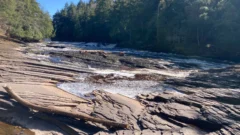
In Gogebic County, on the western end of Michigan’s Upper Peninsula, towering old-growth evergreens carpet the landscape as it rolls down toward the deep blue of Lake Superior.
Spooky Lake Superior: The SS Kamloops


Spooky Lakes: 25 Strange and Mysterious Lakes That Dot Our Planet is a new book by Geo Rutherford. Below is an adapted excerpt from her New York Times best seller, all about Lake Superior. Follow Geo on TikTok or Instagram for more content on spooky lakes.
Algal blooms appear in Lake Superior for the first time in history

Lake Superior is known for its pristine waters, but a combination of nutrient additions from increasing human activity (including farming and development), warming temperatures, and stormy conditions have resulted in … Continued
The post Algal blooms appear in Lake Superior for the first time in history appeared first on Cottage Life.
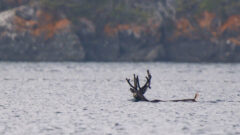
The lonely Lake Superior caribou and a lesson in limits | Great Lakes Now

By Emma McIntosh, The Narwhal
Emma and photographer Christopher Katsarov Luna spent four days in northwestern Ontario, reporting from the shore of Lake Superior.
The Great Lakes News Collaborative includes Bridge Michigan, Circle of Blue, Great Lakes Now at Detroit PBS, Michigan Public and The Narwhal who work together to bring audiences news and information about the impact of climate change, pollution, and aging infrastructure on the Great Lakes and drinking water.
Wisconsin officials ask the public to report algal blooms in Lake Superior | Great Lakes Now


This article was republished here with permission from Great Lakes Echo.
By Anna Barnes, Great Lakes Echo
The Wisconsin Department of Natural Resources is banking on public oversight of the largest Great Lake to help gauge the threat of increasingly common algal blooms.