


Category: Great Lakes Now
How much can wetland restoration reduce farm fertilizers getting into Lake Erie? | Great Lakes Now


By Lester Graham, Michigan Public
The Great Lakes News Collaborative includes Bridge Michigan; Circle of Blue; Great Lakes Now at Detroit Public Television; Michigan Public, Michigan’s NPR News Leader; and The Narwhal who work together to bring audiences news and information about the impact of climate change, pollution, and aging infrastructure on the Great Lakes and drinking water.
Wild Berry Bonanza: Juicy Jewels of the Great Lakes Summer | Great Lakes Now


Part of “A Year in the Wild Kitchen of the Great Lakes,” a series in partnership with expert forager, Lisa M. Rose with the mission of nurturing a deeper connection with the natural world through foraging. To get started with your foraging journey, begin here with our “Framework to Sustainable and Safe Practices.”
Summer in the Great Lakes region is a magical time, with long, warm days and the sweet taste of freshly picked berries.
Great Lakes Moment: An ecosystem approach | Great Lakes Now

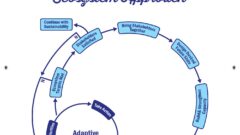
Great Lakes Moment is a monthly column written by Great Lakes Now Contributor John Hartig. Publishing the author’s views and assertions does not represent endorsement by Great Lakes Now or Detroit PBS.
Traditional natural resource management used to focus on individual issues, like controlling pollution from industries and municipal wastewater treatment plants or managing a single species.
Great Lakes Moment: An ecosystem approach | Great Lakes Now

Great Lakes Moment is a monthly column written by Great Lakes Now Contributor John Hartig. Publishing the author’s views and assertions does not represent endorsement by Great Lakes Now or Detroit PBS.
Traditional natural resource management used to focus on individual issues, like controlling pollution from industries and municipal wastewater treatment plants or managing a single species.
Inside is Not the Answer: Air quality in the Great Lakes | Great Lakes Now
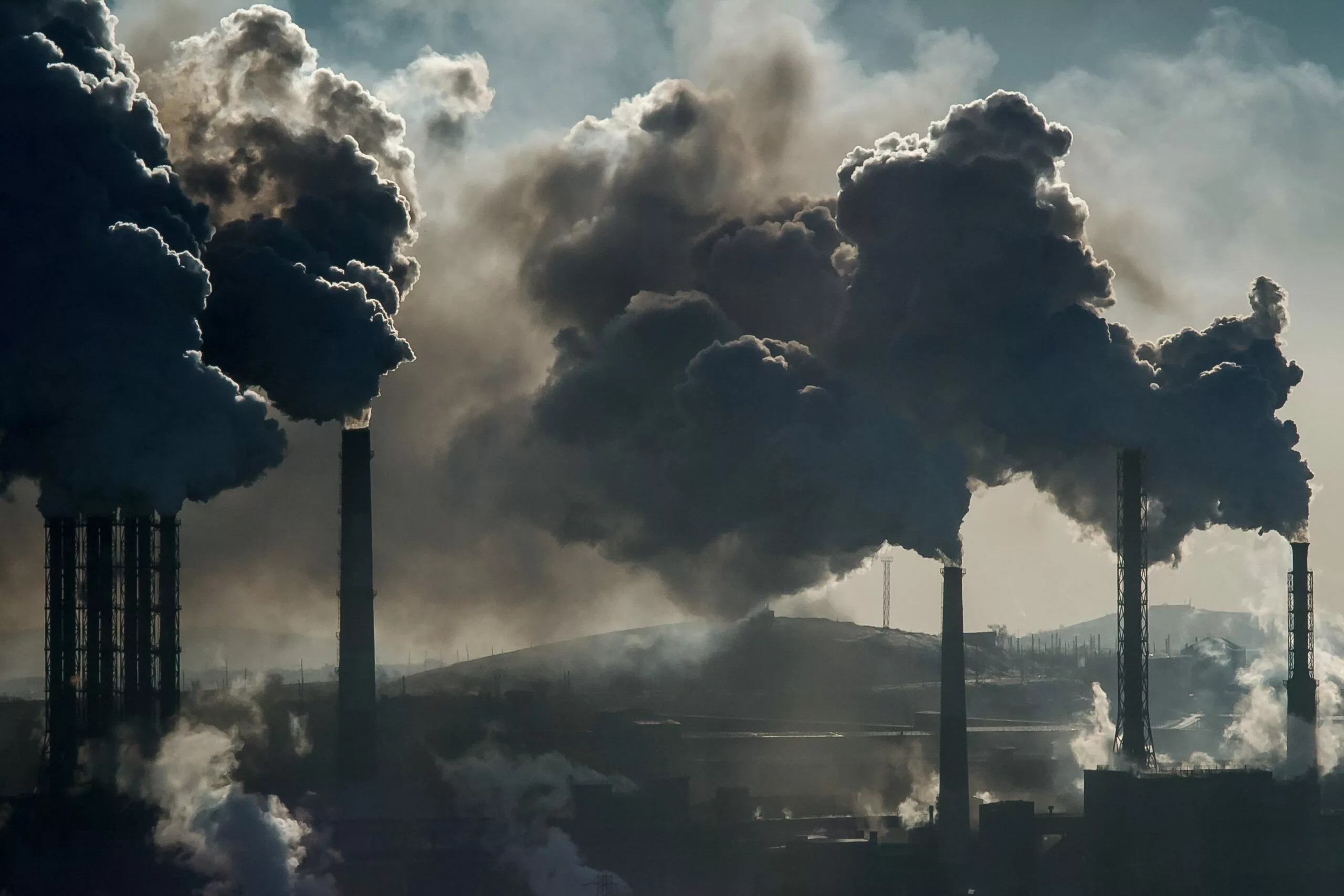

In the Detroit area, people experience unsafe levels of particulate matter, nitrogen dioxide, sulfur dioxide, and ozone in the air they breathe. These pollutants are attributed with adverse health effects such as heart disease, respiratory issues, and cancer.
The University of Michigan is part of an ongoing Detroit research partnership, Community Action to Promote Healthy Environments (CAPHE).