


Author: Interlochen Public Radio
Toledo’s community art highlights importance of native plants for safe drinking water

This article was republished here with permission from Great Lakes Echo.
By Clara Lincolnhol, Great Lakes Echo
Toledo, Ohio, has a rich Rust Belt history that influences its present-day culture. Local environmental groups and agencies are turning to public art to teach residents that the area’s natural history is just as important.
New York’s proposed PFAS legislation and other Great Lakes states latest efforts to combat ‘forever chemicals’


Catch the latest updates on what’s happening with PFAS in the Great Lakes region. Check back for more PFAS news roundups every other week on our website.
On February 5, New York state lawmakers announced a group of five bills aimed to reduce per- and polyfluoroalkyl substances (PFAS) exposure for New York residents.
The fascinating history of the Great Lakes Yemeni sailors

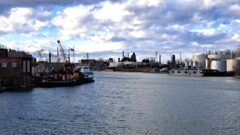
Abdullatif Ahmed was just 23 years old when he first stepped foot on the Medusa Challenger, a 1906-built Great Lakes bulk freighter.
“Before I came to America in 1990,” he said, “I had never even seen the sea.”
Born and raised in Juban, a rural district in southern Yemen, Ahmed was drawn to the Great Lakes by family history and opportunity.
Trump tries to block EV charger money — again. Michigan impact ‘clear as mud’


By Kelly House, Bridge Michigan
The Great Lakes News Collaborative includes Bridge Michigan; Circle of Blue; Great Lakes Now at Detroit PBS; Michigan Public, Michigan’s NPR News Leader; and The Narwhal who work together to bring audiences news and information about the impact of climate change, pollution, and aging infrastructure on the Great Lakes and drinking water.
Wisconsin is still sitting on $125 million for PFAS cleanup

This article, first posted here, was republished with permission from Wisconsin Watch.
By Bennet Goldstein, Wisconsin Watch
A year and a half after Wisconsin lawmakers earmarked $125 million to clean up toxic “forever chemicals” known as PFAS, the funds have yet to flow to contaminated communities.