


Author: Interlochen Public Radio
Conflict Over A Blockbuster Farm Chemical

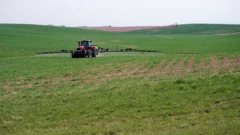
Not since DDT was introduced to U.S. agriculture to kill insects after World War Two has a farm chemical been as important to American crop production, and come under more scientific, political, and legal scrutiny as the weedkiller Roundup, and its active ingredient, glyphosate.
With the election of President Donald Trump, the conflict over glyphosate’s risks and benefits entered a new realm of confrontation that has the potential to alter its stature as the favored chemical tool in agriculture, the largest user of fresh water in the blue economy of Michigan and the Great Lakes.
It’s ‘all hands on deck’ as hot temps and strong winds bring high risk of wildfires to the Northwoods


By Katie Thoresen, WXPR
This story was originally published by WXPR. WXPR is a community-licensed public radio station serving north central Wisconsin and adjacent areas of Michigan’s Upper Peninsula. Listen to their stories here.
Points North: The Longest Paddle


By Ellie Katz, Interlochen Public Radio
Points North is a biweekly podcast about the land, water and inhabitants of the Great Lakes.
This episode was shared here with permission from Interlochen Public Radio.
In the summer of 2015, Traci Lynn Martin’s mom was in the final weeks of a battle with cancer.
Cleveland Metroparks lets the dogs out in the hunt for spotted lanternflies


By Zaria Johnson, Ideastream Public Media
This story was originally published by Ideastream.
Since December, four Northeast Ohio dogs and their human companions have been hot on the trail of invasive spotted lanternflies, sniffing out egg masses laid in the Cleveland Metroparks.
EPA Outlines New PFAS Strategy Amid Expert Concerns


Catch the latest updates on what’s happening with PFAS in the Great Lakes region. Check back for more PFAS news roundups every other week on our website.
On April 28, U.S. Environmental Protection Agency (EPA) Administrator Lee Zeldin announced new measures to address PFAS, including increased research, improved testing and updated guidelines to limit PFAS contamination in water systems.