


Tag: restoration
American Battery Technology Company Publishes Milestone Pre-Feasibility Study Accelerating Commercialization of its Tonopah Flats Lithium Project, One of the Largest Lithium Resources in the United States

Project highlighted by 21.8% IRR and $2.57 Billion NPV@8%, Upgraded Lithium Resource and Establishment of Lithium Reserves, Reinforcing Commercialization Pathway of Tonopah Flats Lithium Project. Reno, Nevada — American Battery Technology Company (NASDAQ: ABAT), an integrated critical battery materials company commercializing both its primary battery mineral manufacturing and lithium-ion battery recycling … [continued]
The post American Battery Technology Company Publishes Milestone Pre-Feasibility Study Accelerating Commercialization of its Tonopah Flats Lithium Project, One of the Largest Lithium Resources in the United States appeared first on CleanTechnica.
China Is Totally Crushing Trump’s Fossil Fuel Dream, With Agrivoltaics

Bifacial solar panels are among the new technologies at work to maximize the land use efficiency of agrivoltaic systems.
The post China Is Totally Crushing Trump’s Fossil Fuel Dream, With Agrivoltaics appeared first on CleanTechnica.
Increased precipitation, foot traffic pose trail erosion problems at Lake Michigan parks

By Lauren Coin
Park trails along Lake Michigan’s shoreline in Wisconsin and Michigan are eroding because of more frequent extreme precipitation events and increased foot traffic from visitors in undesignated recreation areas.
The post Increased precipitation, foot traffic pose trail erosion problems at Lake Michigan parks first appeared on Great Lakes Echo.
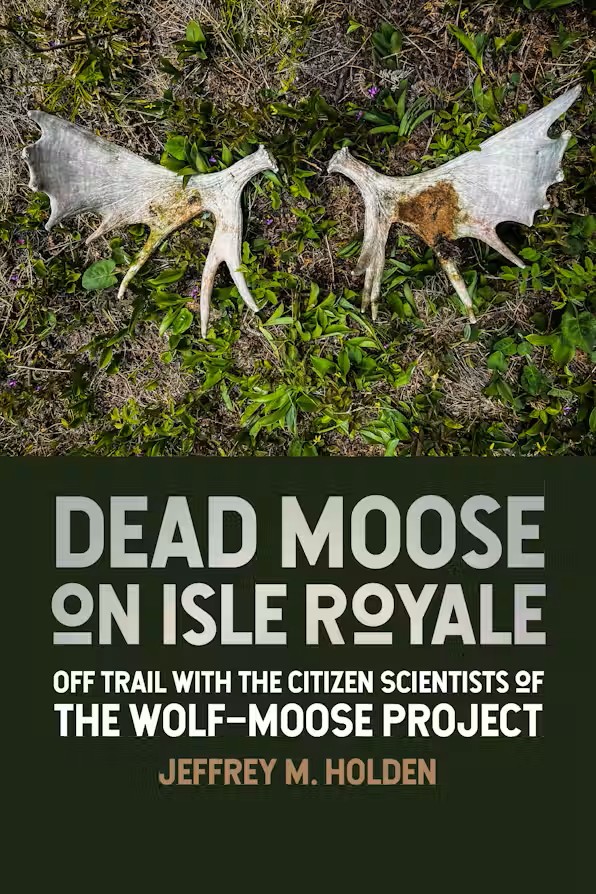
‘Dig in and get my hands dirty’: New book explores citizen scientists and their contributions to the Wolf-Moose Project
By Isabella Figueroa
In his new book “Dead Moose on Isle Royale: Off Trail with the Citizen Scientists of the Wolf-Moose Project,” Jeffery Holden turns decades of volunteer field notes and short essays into an off-trail narrative about the people who sustain one of ecology’s longest-running studies. The Wolf-Moose Project at Isle Royale National Park started with scientists from Purdue University, Durward Allen and L. David Mech, in 1958. Since then, volunteers have collected data through on-the-ground fieldwork and built a six-decade record that reveals how climate, disease and food availability shape population cycles.
The post ‘Dig in and get my hands dirty’: New book explores citizen scientists and their contributions to the Wolf-Moose Project first appeared on Great Lakes Echo.
Small Agrivoltaic Project, Big Implications For The Future Of Farming

A small but mighty agrivoltaic project in Virginia aims to demonstrate that US farmers can successfully grow rows of food between rows of solar panels.
The post Small Agrivoltaic Project, Big Implications For The Future Of Farming appeared first on CleanTechnica.