


Tag: Politics, Policy, Environmental Justice
Joe Biden was America’s first climate president. Did it matter?

By Jake Bittle and Zoya Teirstein
This story was originally published by Grist. Sign up for Grist’s weekly newsletter here.
When Joe Biden first became president, some found it hard to believe that he cared very much about climate change.
With a global pandemic raging, the former vice president and longtime senator pitched his 2020 campaign as a return to normalcy and a referendum on the erratic leadership of Donald Trump.
Trump’s aggressive water statement riles, unites Canadians

Candidates for president of the United States address many issues on the campaign trail as they criss-cross the country pitching their policy agendas.
The economy, healthcare and immigration were among the leading topics in the runup to the 2024 election. However, it’s uncommon for a candidate to talk about the availability of water.
Local governments appeal state implementation of renewable siting law
By Izzy Ross, Interlochen Public Radio
This coverage is made possible through a partnership with IPR and Grist, a nonprofit independent media organization dedicated to telling stories of climate solutions and a just future.
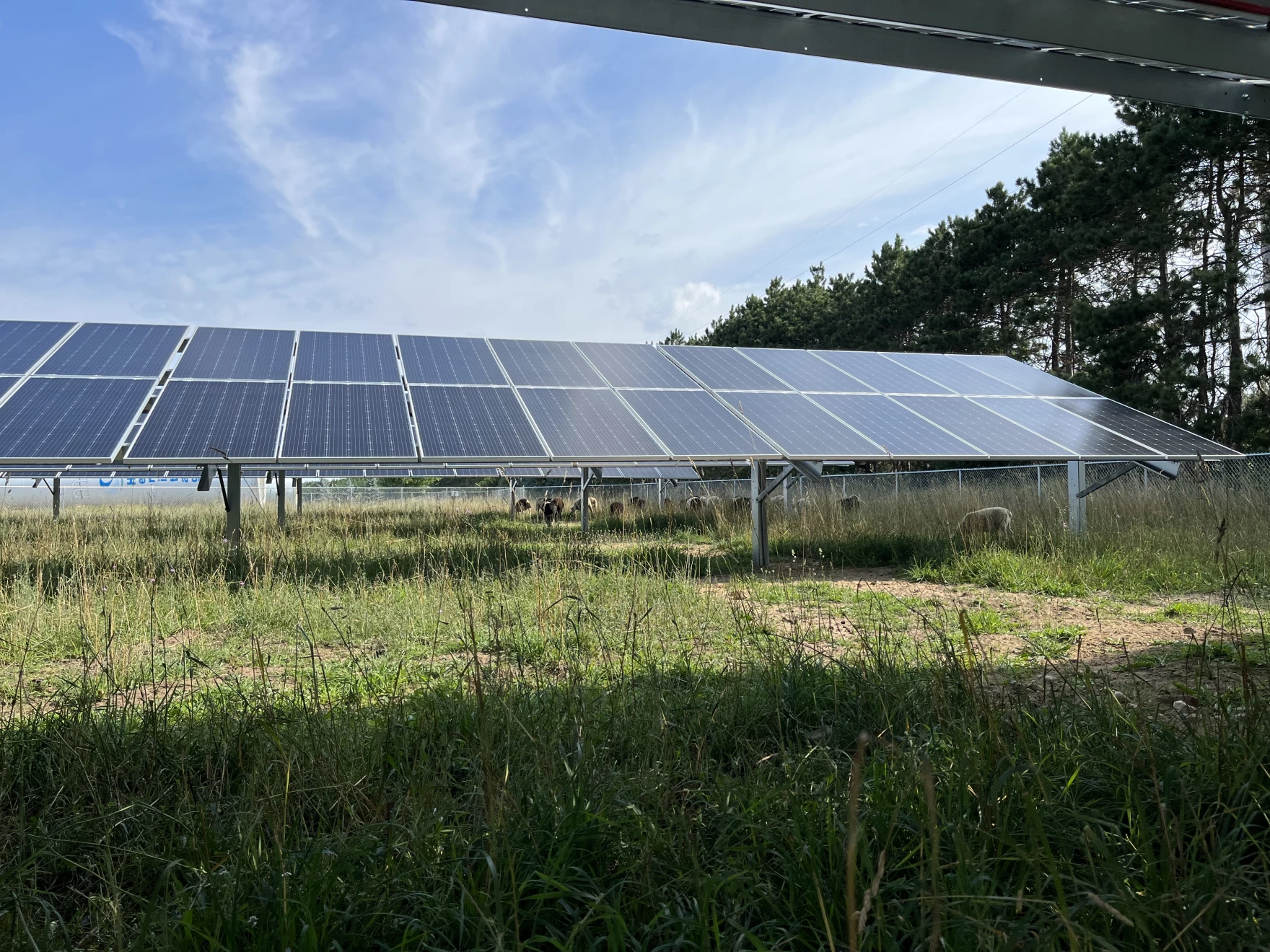
More than 70 townships and several counties are suing the Michigan Public Service Commission, challenging whether the commission went through the right process to put in place a law giving the state authority to approve those projects.
Waves of Change: Meet Protect the Porkies founder Tom Grotewohl


Waves of Change is an online interview series highlighting the diverse faces and perspectives shaping the environmental justice movement throughout the Great Lakes region.
This month, we spoke with Tom Grotewohl, a resident of Wakefield Township in Michigan’s Upper Peninsula and founder of the Protect the Porkies campaign.
Environmentalists, Industry Divided Over Energy Permitting Bill
Melting ice. Wildfire smoke. Crop losses. Climate change is already having an impact on the Great Lakes region. According to a 2022 report by the Intergovernmental Panel on Climate Change, in order to limit global warming to 2 degrees Celsius, humanity would have to reach net-zero emissions by the 2070s.