


Tag: Detroit
Ship doomed on Lake Michigan now docked on National Register of Historic Places | Bridge Michigan

A Detroit-built sailing ship that sank in Lake Michigan during an 1864 storm has been added to the National Register of Historic Places….
Great Lakes Moment: An ecosystem approach | Great Lakes Now

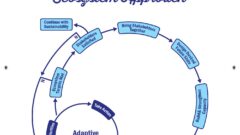
Great Lakes Moment is a monthly column written by Great Lakes Now Contributor John Hartig. Publishing the author’s views and assertions does not represent endorsement by Great Lakes Now or Detroit PBS.
Traditional natural resource management used to focus on individual issues, like controlling pollution from industries and municipal wastewater treatment plants or managing a single species.
Great Lakes Moment: An ecosystem approach | Great Lakes Now

Great Lakes Moment is a monthly column written by Great Lakes Now Contributor John Hartig. Publishing the author’s views and assertions does not represent endorsement by Great Lakes Now or Detroit PBS.
Traditional natural resource management used to focus on individual issues, like controlling pollution from industries and municipal wastewater treatment plants or managing a single species.
Inside is Not the Answer: Air quality in the Great Lakes | Great Lakes Now
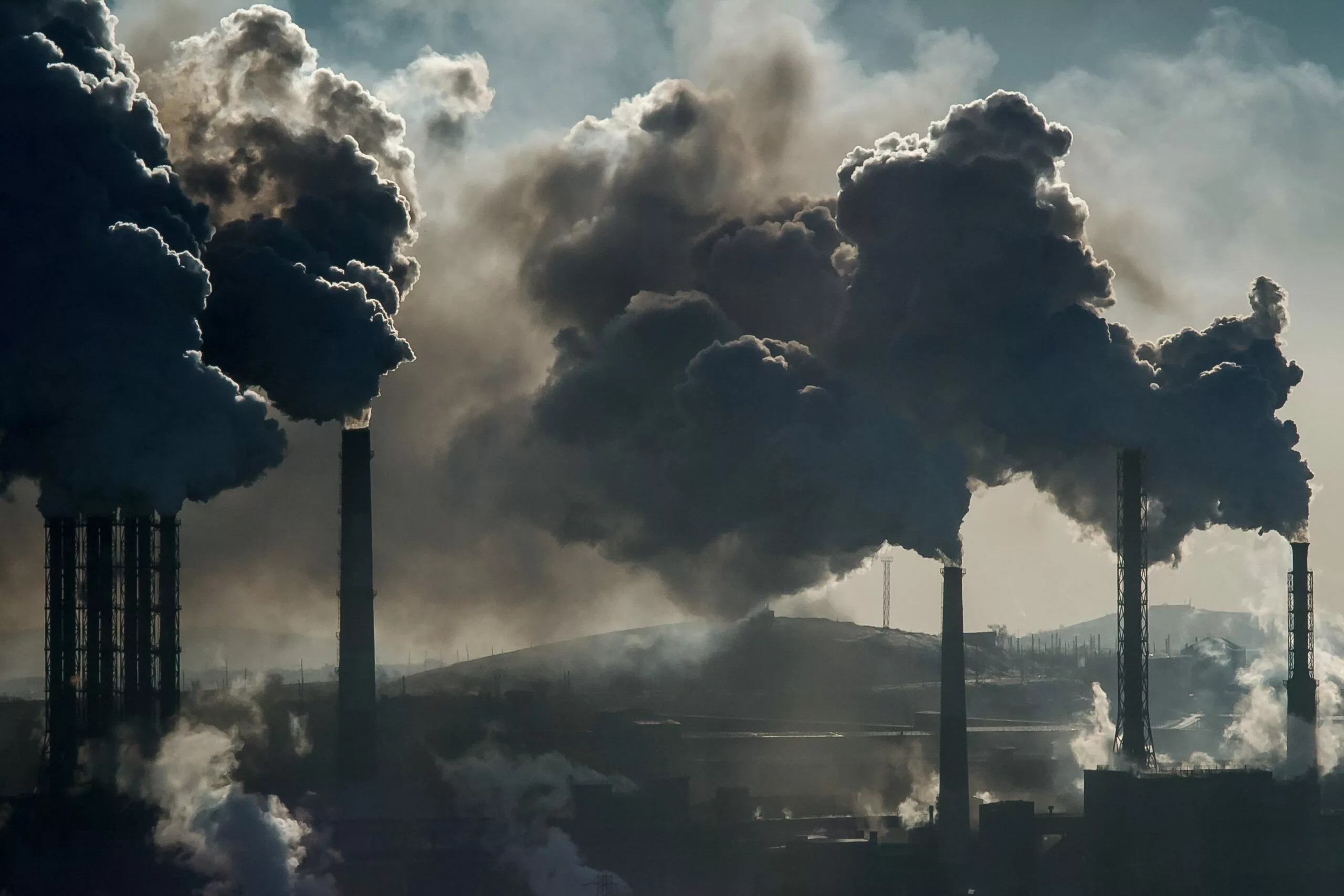

In the Detroit area, people experience unsafe levels of particulate matter, nitrogen dioxide, sulfur dioxide, and ozone in the air they breathe. These pollutants are attributed with adverse health effects such as heart disease, respiratory issues, and cancer.
The University of Michigan is part of an ongoing Detroit research partnership, Community Action to Promote Healthy Environments (CAPHE).
PFAS News Roundup: Ohio train derailment likely spilled PFAS and other chemicals across 16 states, including most Great Lakes | Great Lakes Now
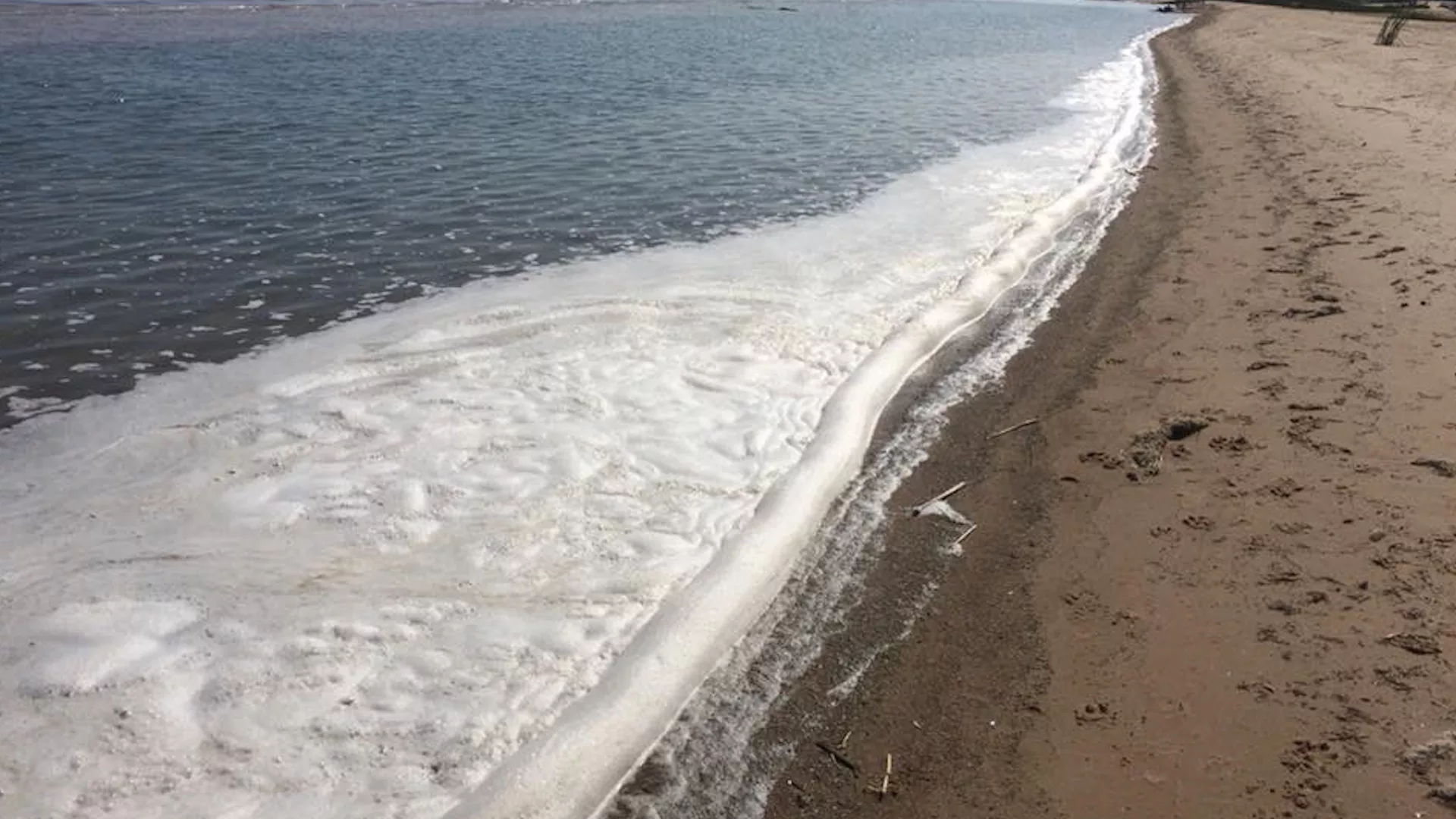

Chemicals like perfluoroalkyl and polyfluoroalkyl substances (PFAS) were likely spilled after the train derailment in East Palestine, Ohio. A new study analyzing rain and snow samples from northern Wisconsin to North Carolina and Maine found the highest levels of pH and certain compounds recorded over the last 10 years. This study proves that the various chemicals spilled did not just negatively impact local residents but spread across 540,000 square miles through 16 other states — which includes a third of the U.S.