


Category: Climate Crisis
5 ways to build a cottage that’ll last a lifetime

As we built our new home in cottage country, my husband, Robin, a healthy 30-something, often joked with visitors to our construction site that he planned to “die in this … Continued
The post 5 ways to build a cottage that’ll last a lifetime appeared first on Cottage Life.
Consequences of less ice on lakes due to climate change | Great Lakes Now
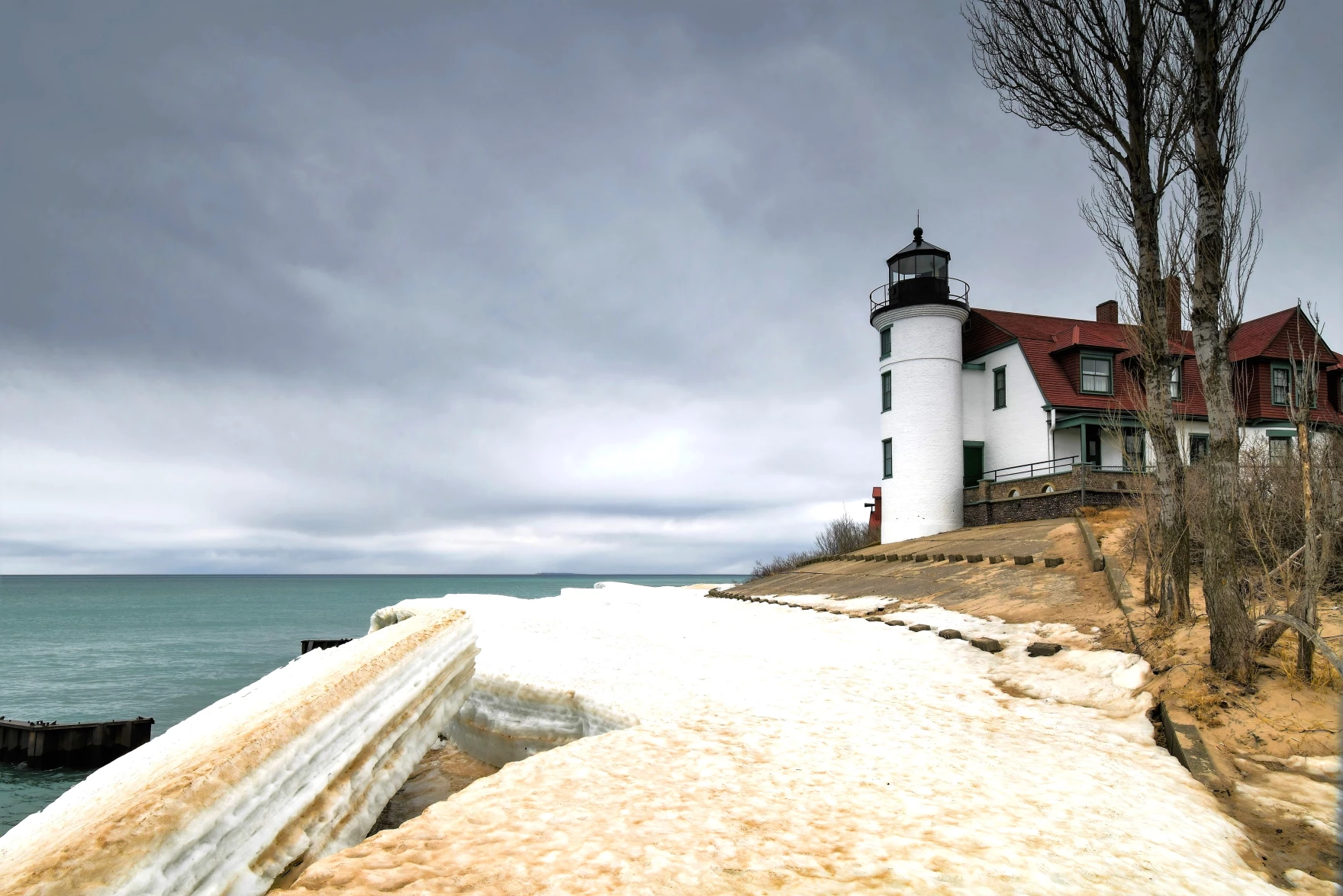
By Lester Graham, Michigan Public
The Great Lakes News Collaborative includes Bridge Michigan; Circle of Blue; Great Lakes Now at Detroit PBS; Michigan Public, Michigan’s NPR News Leader; and The Narwhal who work together to bring audiences news and information about the impact of climate change, pollution, and aging infrastructure on the Great Lakes and drinking water.
Federal aid to rescue Michigan cherry farmers after devastating crop loss | Great Lakes Now


By Nina Misuraca Ignaczak, Planet Detroit
This article was republished with permission from Planet Detroit. Sign up for Planet Detroit’s weekly newsletter here.
Federal aid is coming to Michigan’s sweet cherry farmers, who lost much of their crops this year due to erratic weather patterns and subsequent pest infestations.
Algal blooms appear in Lake Superior for the first time in history

Lake Superior is known for its pristine waters, but a combination of nutrient additions from increasing human activity (including farming and development), warming temperatures, and stormy conditions have resulted in … Continued
The post Algal blooms appear in Lake Superior for the first time in history appeared first on Cottage Life.
Joliet, Illinois, Plans to Source Its Future Drinking Water From Lake Michigan. Will Other Cities Follow? | Great Lakes Now
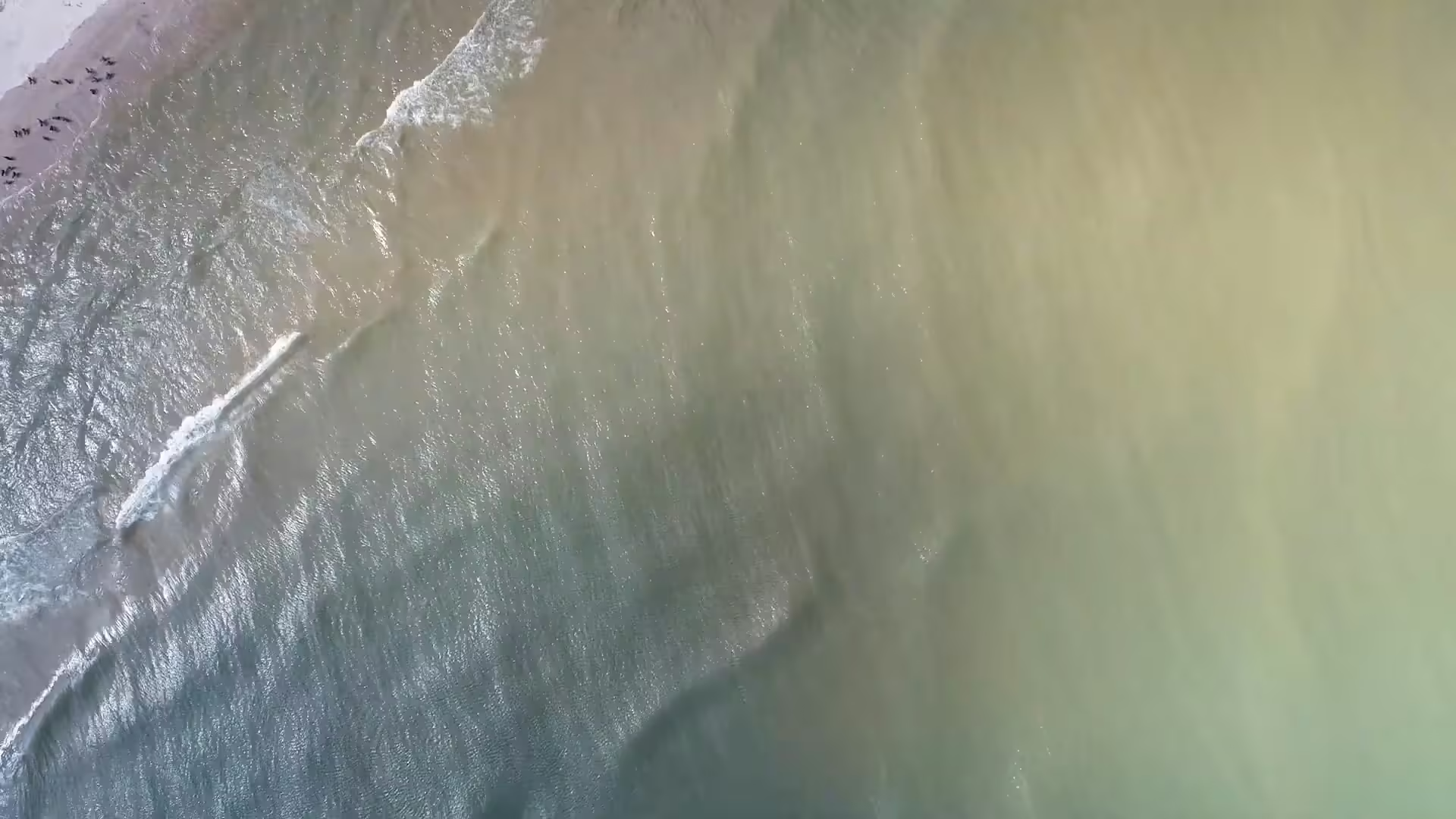

By Nina Elkadi, Inside Climate News
This article originally appeared on Inside Climate News, a nonprofit, non-partisan news organization that covers climate, energy and the environment. Sign up for their newsletter here.
The aquifer from which Joliet, Illinois, sources its drinking water is likely going to run too dry to support the city by 2030—a problem more and more communities are facing as the climate changes and groundwater declines.