


Author: Owen Sound Sun Times
PFAS Roundup: Wisconsin PFAS remediation funds still frozen due to partisan divide | Great Lakes Now
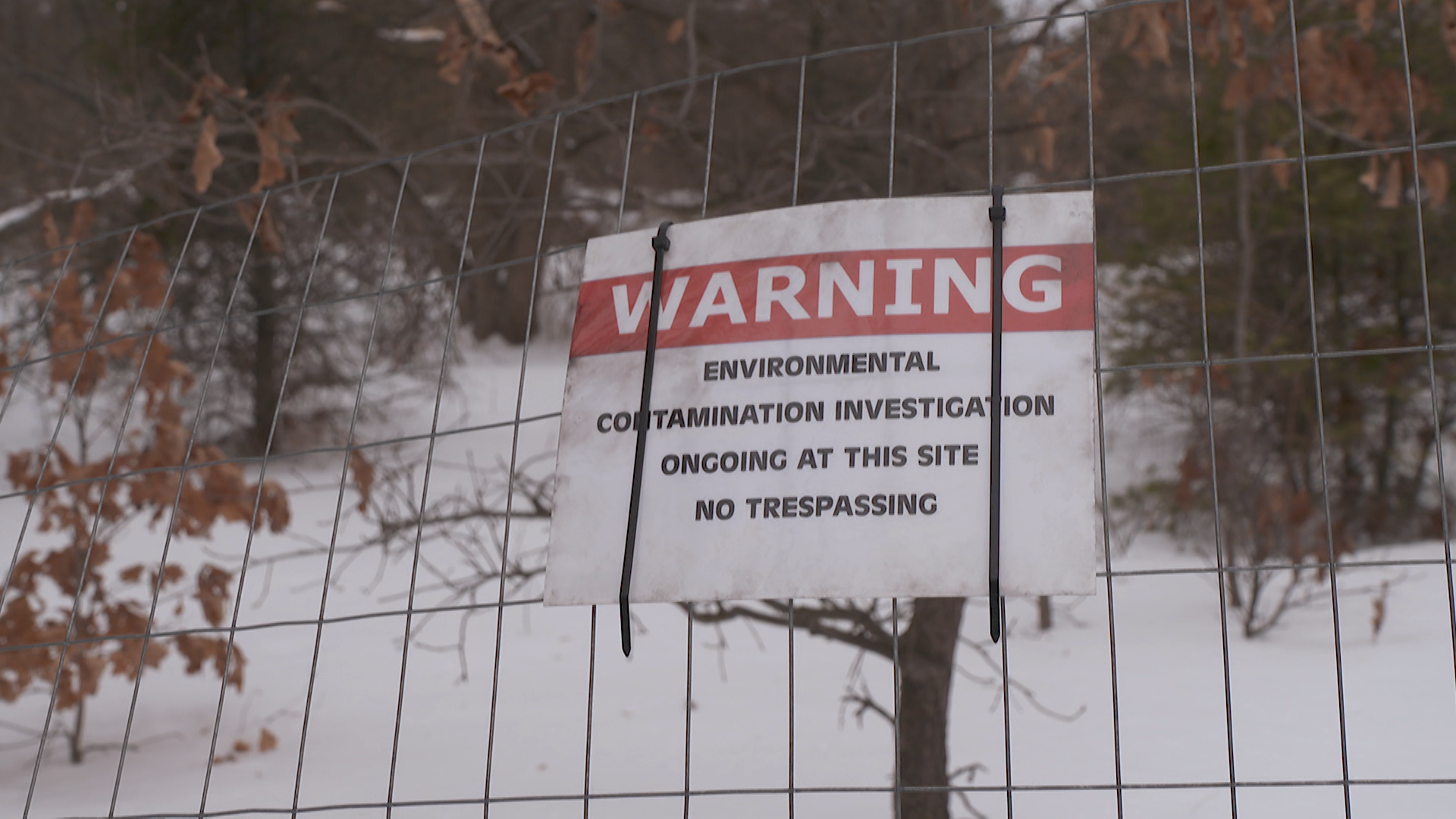
Last week, Eau Claire, Wisconsin finally broke ground on a $20 million PFAS removal facility. The previous year, the city filed a lawsuit against multiples chemical manufacturers, demanding they cleanup after more than half of the city’s wells shutdown in 2021 due to contamination. However, many other municipalities across Wisconsin remain in a state of limbo.
Points North: Frankenfish | Great Lakes Now

By Patrick Shea, Dan Wanschura and Morgan Springer
Points North is a biweekly podcast about the land, water and inhabitants of the Great Lakes.
This episode was shared here with permission from Interlochen Public Radio.
Lake trout are on life support in Lake Michigan.
Great Lakes Beach Closings Are No Protection From Harmful Pollutants | Great Lakes Now


By Amalia Medina, Circle of Blue
The Great Lakes News Collaborative includes Bridge Michigan; Circle of Blue; Great Lakes Now at Detroit Public Television; Michigan Public, Michigan’s NPR News Leader; and The Narwhal who work together to bring audiences news and information about the impact of climate change, pollution, and aging infrastructure on the Great Lakes and drinking water.
Great Lakes Learning: Recovering renewable resources | Great Lakes Now
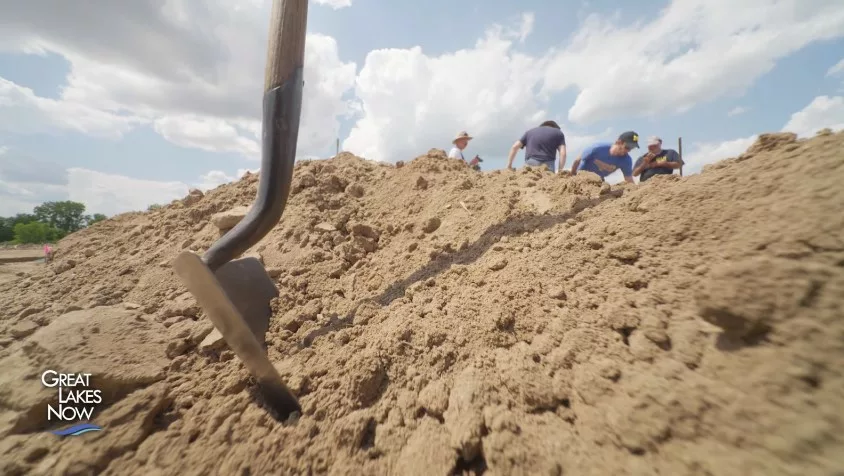

This lesson will explore the phenomenon of weathering and erosion preserving ancient artifacts and producing natural resources for both an opportunity to learn about the history of a region and benefit the people of that region in the present. From past civilizations to modern energy solutions, the Great Lakes region is home to artifacts and renewable energy sources that have been hidden underground or embedded into the landscape by natural processes.
A New Paradigm: How climate change is shaping mental landscapes in the Great Lakes | Great Lakes Now
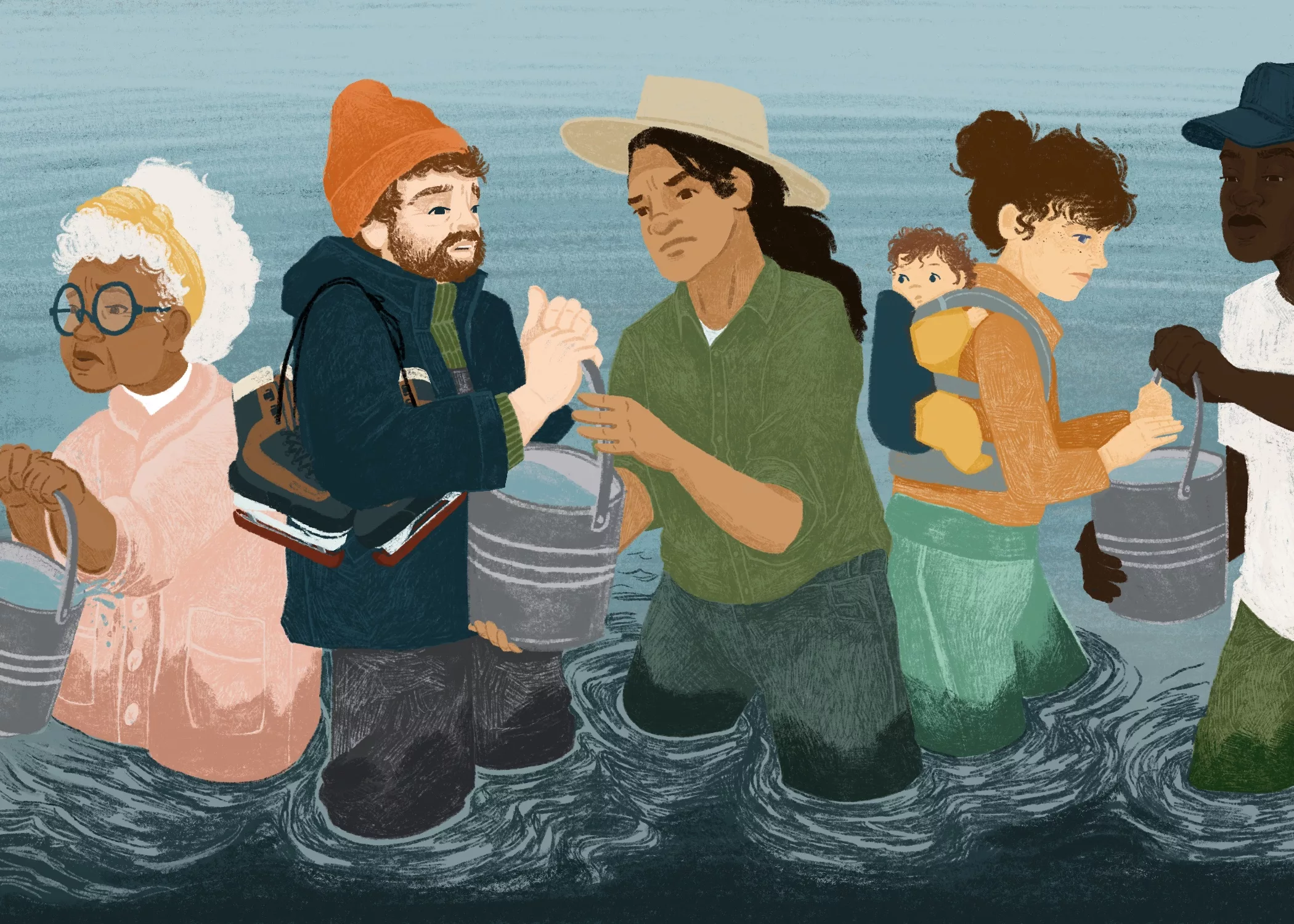

In a weekly Good Grief Network session held on July 25, time and space were created for participants to reflect on their feelings of uncertainty in an unstable environment over Zoom. Trained facilitators kept time for each participant to speak while the other participants bore witness as listeners. The overarching rule was no cross-talk, which means not directly responding or referring to what a person shared.