


Author: Interlochen Public Radio
Who is working to preserve and restore wetlands in Metro Detroit? | Great Lakes Now

By Erica Hobbs, Planet Detroit
This article was republished with permission from Planet Detroit. Sign up for Planet Detroit’s weekly newsletter here.
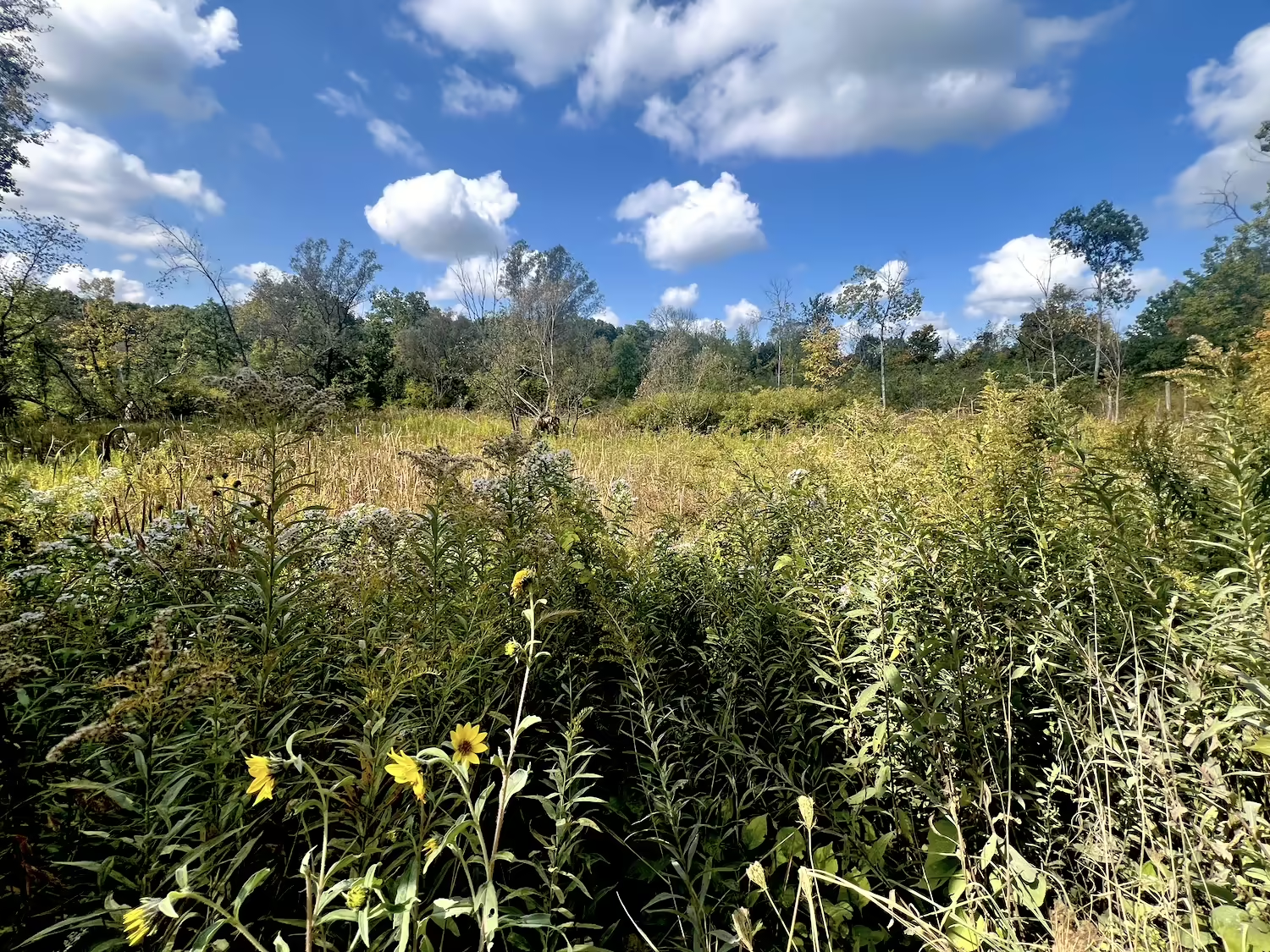
Wetlands don’t often come to mind when thinking about major metropolitan cities like Detroit. Bogs, marshes, vernal pools, and swamps contrast starkly with the city’s skyscrapers, roads, and industrial plants, and up to 90 percent of the area’s wetlands along the Detroit River have been lost since European settlement.
Wisconsin Supreme Court to hear case with broad implications for PFAS cleanup | Great Lakes Now

By Danielle Kaeding, Wisconsin Public Radio
This article was republished here with permission from Wisconsin Public Radio.
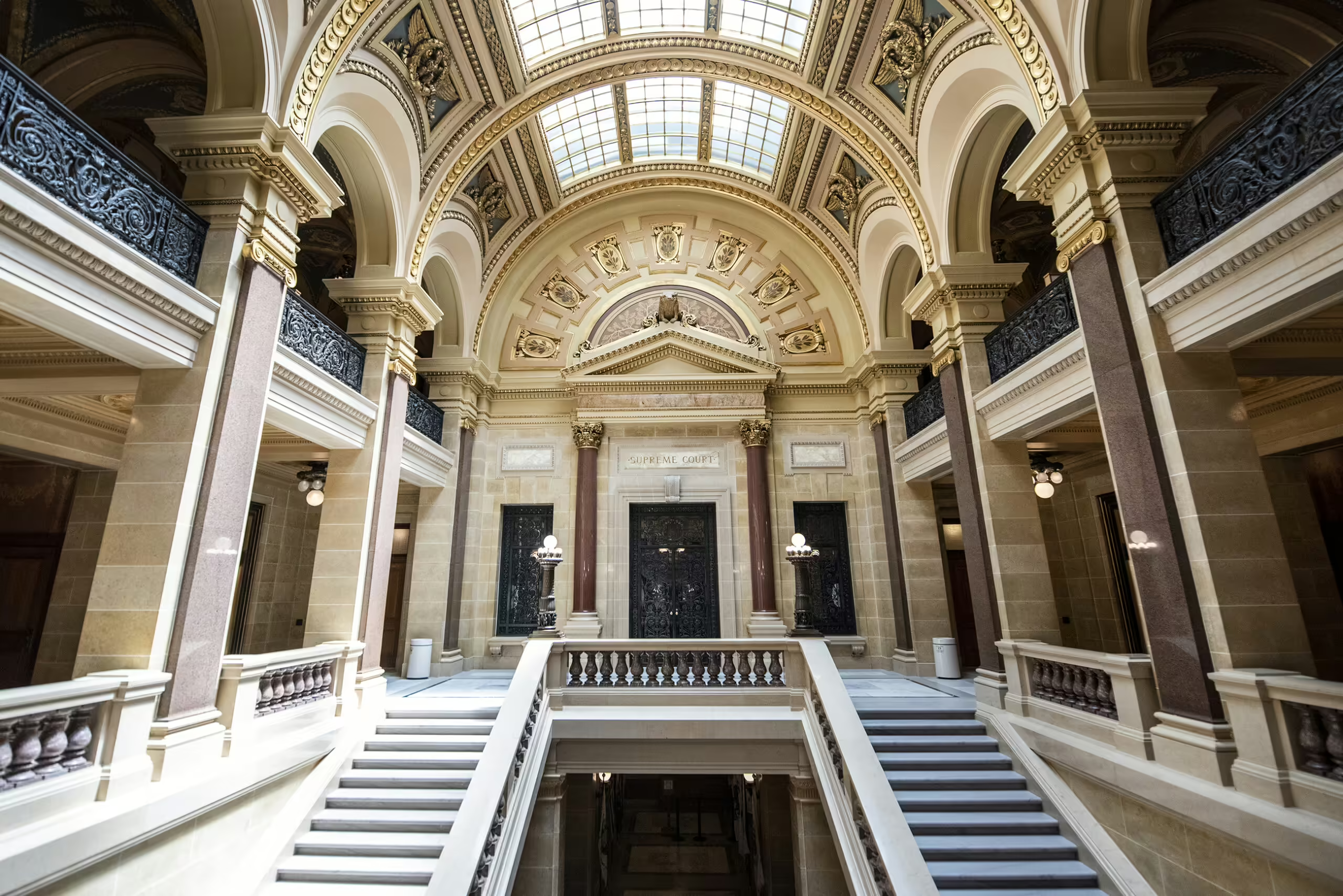
The Wisconsin Supreme Court will hear a case that could have sweeping effects on state environmental regulators’ authority to force businesses to clean up PFAS pollution under the state’s spills law.
Northeast Ohio composters reduce emissions from food waste, one pile at a time | Great Lakes Now

By Zaria Johnson, Ideastream Public Media
This story was originally published by Ideastream.
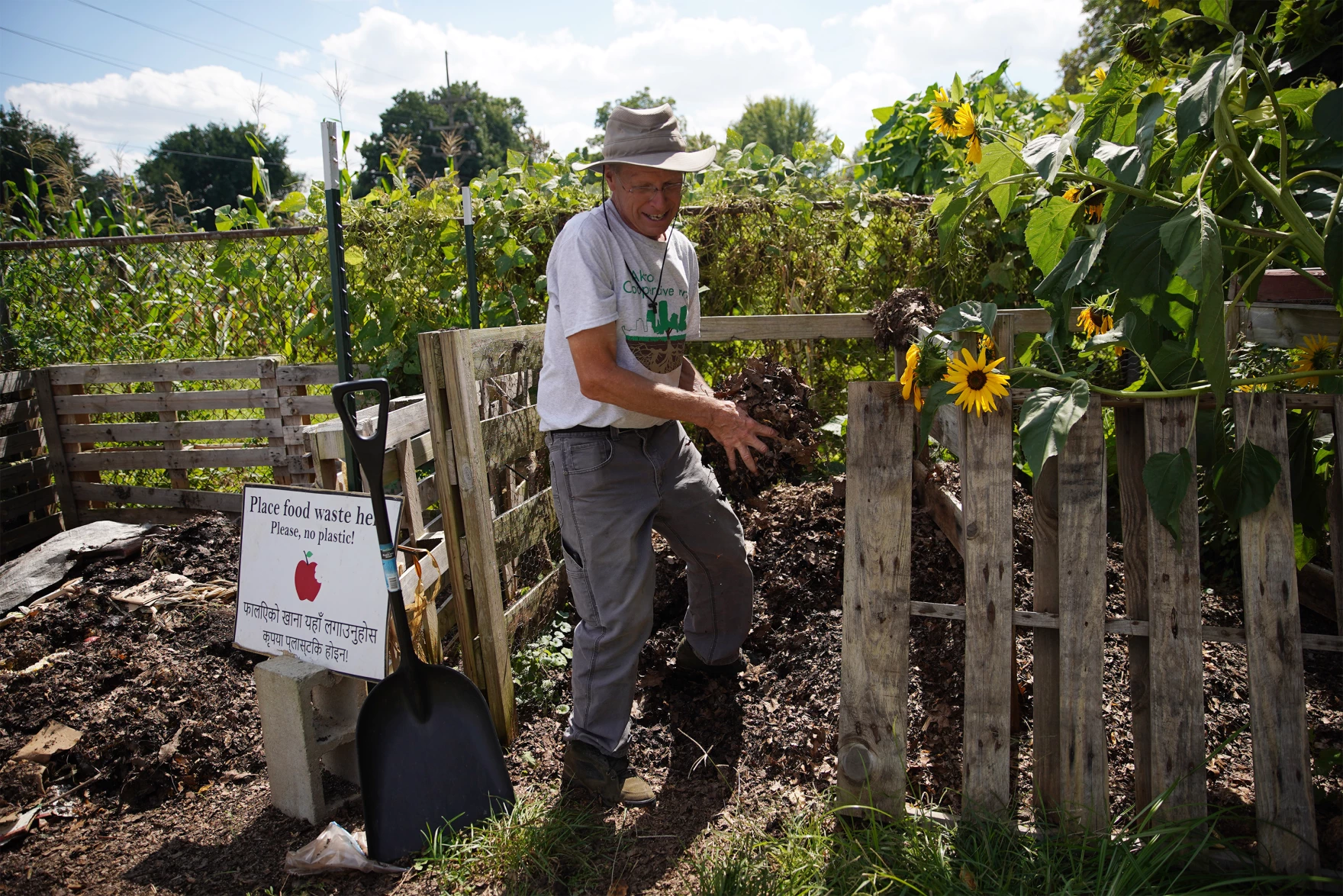
In Northeast Ohio, composting is becoming more common due, in part, to local organizations sharing knowledge, resources and the benefits of composting for the planet.
Leftovers often end up in the trash rather than in our stomachs.
I Speak for the Fish: A Sturgeon goes to Wisconsin and a Michigan muskie visits New York | Great Lakes Now
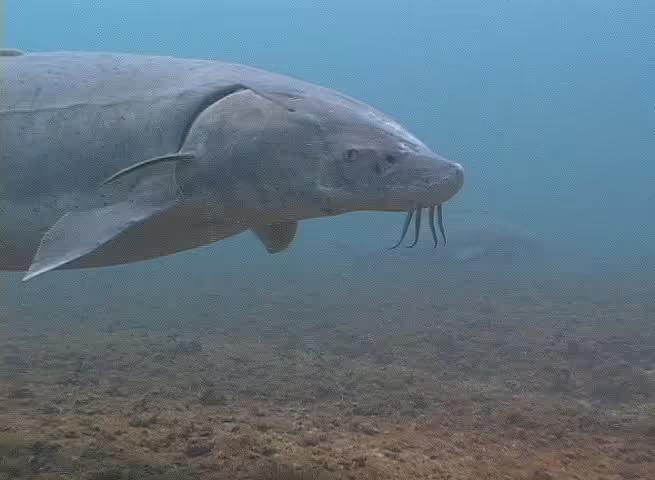

I Speak for the Fish is a monthly column written by Great Lakes Now Contributor Kathy Johnson, coming out the third Monday of each month. Publishing the author’s views and assertions does not represent endorsement by Great Lakes Now or Detroit Public Television.
Points North: Labor of Mixed Emotions | Great Lakes Now
By Morgan Springer
Points North is a biweekly podcast about the land, water and inhabitants of the Great Lakes.
This episode was shared here with permission from Interlochen Public Radio.
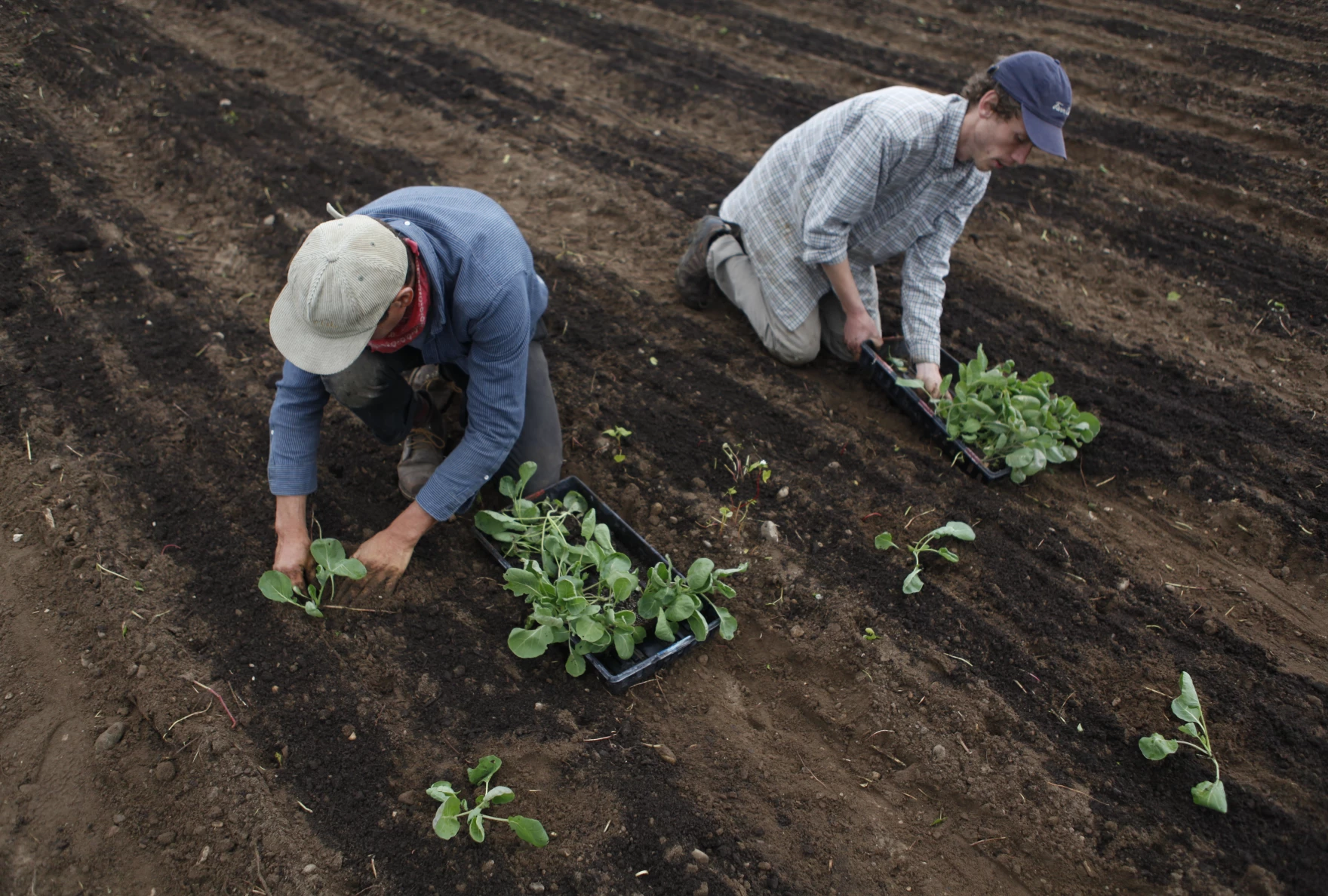
Growing up, Nic Theisen thought farming was a terrible way to make a living.