


Author: Great Lakes Commission
Walleye Numbers are Down in Lake Erie


Ohio Division of Wildlife (ODW) officials have released their 2024 trawl survey indexes for Lake Erie’s two most-sought sportfish: yellow perch and walleye. This year’s results bring an end to a streak of wildly successful hatches for walleye. For yellow perch two of Ohio’s three management zones were above average, with the third zone down by 70% over last year.
Waves of Change: Meet creative, organizer and educator Antonio Cosme

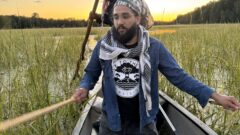
Waves of Change is an online interview series highlighting the diverse faces and perspectives shaping the environmental justice movement throughout the Great Lakes region.
This month, we spoke with Antonio Cosme, an Indigenous-descended creative, organizer and educator from southwest Detroit whose current work spans conservation, environmental justice and traditional ecological activities.
Energy News Roundup: Wisconsin reacts to oil spill as pipeline fight continues


The company planning a controversial pipeline reroute in northern Wisconsin recently told officials that it spilled approximately 69,300 gallons of crude oil in the southern part of the state, making this Wisconsin’s largest oil spill since at least 2012. Enbridge first reported the spill, which was caused by an underground equipment failure on its Line 6 pipeline, on Nov.
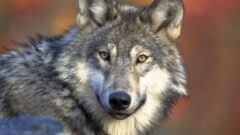
Wolves could expand across the eastern U.S. — but they might need help

This article was republished here with permission from Great Lakes Echo.
By Ruth Thornton, Great Lakes Echo
Gray wolves could thrive in the eastern United States well beyond their current range in the Great Lakes region, but they might have a hard time reaching other suitable habitats without human intervention, researchers say.
Invasive Species Control in the North American Great Lakes

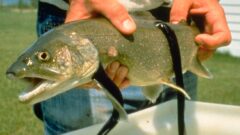
Below is an adapted excerpt from Beyond the Sea: The Hidden Life in Lakes, Streams, and Wetlands by David Strayer. Copyright 2024. Published with permission of Johns Hopkins University Press.
Biological invasions sometimes are seen as an inevitable result of modern life, but like other human impacts on inland waters, we can control them if we choose to do so.