


Tag: The Blue Economy
What Is Cape Cod Doing To Secure Its Energy Independence And Protect Its Natural Resources?

I’m traveling around Cape Cod, Massachusetts this week. It’s part of a quest to learn how other communities outside my permanent Florida residence are looking ahead to a clean energy and nature-based future. Cape Cod is geographically rare. It is a constantly changing peninsula, altered by winds, ocean currents, climate, … [continued]
The post What Is Cape Cod Doing To Secure Its Energy Independence And Protect Its Natural Resources? appeared first on CleanTechnica.
Study highlights need for community engagement in Great Lakes protection

By Riley Wilson
Climate change, invasive species and other human-driven pressures are among the leading causes of declining freshwater health in the Great Lakes, the National Wildlife Federation reports. There’s a growing need for community engagement to protect the lakes, one study finds.
Seaweed Blooms Suggest The Ocean Is Geoengineering Itself

Two studies published this year put a spotlight on how changes in the ocean are affecting the planet and the global economy.
The post Seaweed Blooms Suggest The Ocean Is Geoengineering Itself appeared first on CleanTechnica.
Conflict Over A Blockbuster Farm Chemical

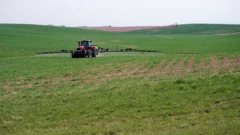
Not since DDT was introduced to U.S. agriculture to kill insects after World War Two has a farm chemical been as important to American crop production, and come under more scientific, political, and legal scrutiny as the weedkiller Roundup, and its active ingredient, glyphosate.
With the election of President Donald Trump, the conflict over glyphosate’s risks and benefits entered a new realm of confrontation that has the potential to alter its stature as the favored chemical tool in agriculture, the largest user of fresh water in the blue economy of Michigan and the Great Lakes.
Conflict over a blockbuster farm chemical

Glyphosate is the best-selling farm chemical ever in American agriculture. $2.8 billion in annual sales and roughly 280 million pounds applied annually on U.S. crop fields, most of it on corn and soybeans in Michigan and other Midwest farm states.